Epomaker Galaxy100 vs Keychron K10 HEGasket vs Magnetic Switch
Choose the Epomaker Galaxy100 for a premium gasket-mounted typing experience and massive battery, or the Keychron K10 HE for cutting-edge magnetic switch technology and advanced gaming features.


Which one should you get?
Get the
Epomaker Galaxy100
Gasket
- Gasket-mounted aluminum case with five layers of sound-dampening materials (Poron, IXPE, EMDP, PET).
- Massive 8000mAh battery for extended wireless use.
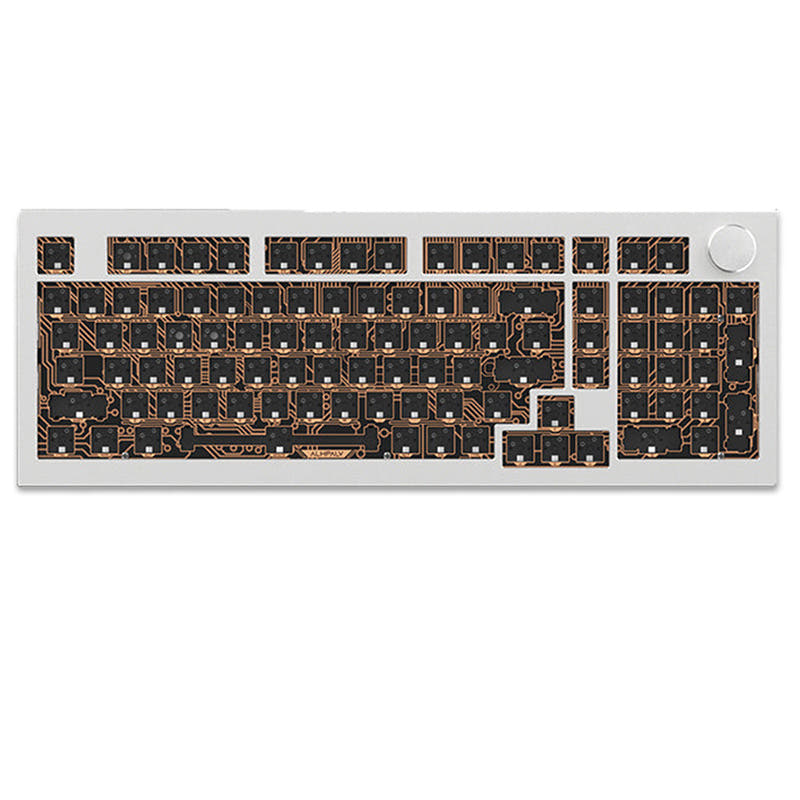
- 96% layout with a dedicated metal knob for volume and programmability.
- Uses plate-mount stabilizers, which are not compatible with screw-in stabilizers.
- Heavier at 2000g and has a fixed 7-degree typing angle.
- Vendor notes it is not compatible with PS4, PS5, or Nintendo Switch.
Get the
Keychron K10 HE
Magnetic Switch
- Features Gateron Double-Rail Magnetic Switches with adjustable actuation points (0.2-3.8mm) and rapid trigger.
- Includes advanced gaming features: Analog Mode, Dynamic Keystrokes, Last Key Priority, and Snap Click.
- Comes with screw-in PCB stabilizers for a more stable typing experience.
- Smaller 4000mAh battery compared to the Galaxy100.
- Hot-swappable sockets are compatible only with Gateron double-rail magnetic switches, limiting switch options.
- North-facing RGB LEDs may cause interference with certain Cherry-profile keycaps.
Your primary use case dictates the winner. For gamers and tech enthusiasts who want the latest in switch technology with deep customization for actuation and gaming performance, the Keychron K10 HE is the compelling, albeit more niche, choice. For everyone else—office workers, content creators, and typing enthusiasts—the Epomaker Galaxy100 delivers a more traditional but highly refined package with superior battery life, a versatile layout, and a premium gasket-mounted typing experience, often at a more accessible price point.
The differences that matter
Skip the 40-row spec sheet. These are the specs that change how each board feels, sounds, and fits your desk.
Epomaker Galaxy100
Keychron K10 HE
Layout size
96%
100%
Hall effect (magnetic)
No
Yes
Rapid trigger
No
Yes
Battery
8,000 mAh
4,000 mAh
Case material
Aluminum
ABS, Aluminum, Plastic, Wood
- Epomaker Galaxy100
- Keychron K10 HE
- Performance
- 8392
- Build quality
- 8489
- Productivity
- 9394
- Customizability
- 8894
- Portability
- 6256
- Connection: Bluetooth, 2.4 GHz, Wired
- Hot-swappable
- Max polling rate: 1,000 Hz
- QMK
- VIA
- Sound dampening
What will you mostly use it for?
The Keychron K10 HE is the clear choice for competitive gaming due to its magnetic switch technology. For office work, travel, and content creation, the Epomaker Galaxy100's large battery, compact layout with knob, and sound-dampened build are significant advantages. Programming is a tie, hinging on layout preference, while modders may lean towards the K10 HE for its screw-in stabilizers and barebones availability.
Pick the Keychron K10 HE
- The K10 HE features magnetic switches with adjustable actuation points from 0.2 to 3.8mm and rapid trigger support.
- It includes gaming-specific features like Last Key Priority (LKP), Snap Click, and an analog mode for variable input.
- The manufacturer cites third-party testing data for industry-leading latency performance.
What owners say
Ratings and quotes collected from verified store reviews, including the critical ones.
Epomaker Galaxy100
67 owner reviews
“Amazing keyboard, via support could be better, but it works! i love the knob, its so nice. this has to be the worst financial decision ive ever made and i dont regret it”
“The keyboard has been great but when I received it a couple keys were broken. I had to glue the inside connector back together as it had broken apart. Otherwise the keyboard has functions very well.”
Keychron K10 HE
18 owner reviews
“Fantastically smooth design with sturdy make, elegant look and satisfying typing experience. The clicking is just right, and the keyboard feels incredible to type with.”
“caps lock, num lock and win/mac indicators don't work. Keychron support has no fix and a no free return policy that will cost me to return. Not worth it to send it back. One of the worst keyboards I have ever used and will wind up putting it in the trash.”
Epomaker Galaxy100 vs Keychron K10 HE specs
Every tracked spec, side by side. Rows marked with a dot differ between the boards.
16 of 28 specs differ
Epomaker Galaxy100
Keychron K10 HE
Switch options
Hall effect (magnetic)
Rapid trigger
Hot-swappable
Mount style
Sound dampening
Screw-in stabilizers
Layout size
Layout standard
Ergonomics
Knob
Display
Connection
Max polling rate
Battery
USB-C
Case material
Plate material
Keycaps
Weight
Dimensions
Typing angle
Backlight
QMK
VIA
N-key rollover
Mac & Windows
Released
Compare prices
Live prices from the stores we track, cheapest in-stock offer first.
Lowest price across stores, Amazon excluded.




Prices in USD are converted to your currency and can change at any time. KeebFinder may earn a commission when you buy through these links, at no extra cost to you.
Epomaker Galaxy100 vs Keychron K10 HE: your questions
The Epomaker Galaxy100 uses a gasket mount, where the plate is suspended by rubber or silicone gaskets to absorb vibrations and create a softer, more uniform typing feel. The Keychron K10 HE uses a tray mount, where the plate is screwed directly into the top case, typically resulting in a firmer, more direct feel. The Galaxy100's vendor description emphasizes its gasket structure for a mix of rigidity and flexibility.
No. The Keychron K10 HE's product listing explicitly states it is compatible exclusively with Gateron Double-Rail Magnetic Switches. It does not support other magnetic switches or standard mechanical switches. The Epomaker Galaxy100, however, has a hot-swappable PCB compatible with standard 3-pin and 5-pin mechanical switches.
The Epomaker Galaxy100 has a significantly larger 8000mAh battery compared to the Keychron K10 HE's 4000mAh battery. The Galaxy100's vendor claims this provides long-lasting wireless performance for continuous use without frequent charging.
Yes, both the Epomaker Galaxy100 and Keychron K10 HE list compatibility with Mac and Windows systems. The K10 HE's description notes it includes keycaps for both operating systems and a system toggle to save separate layouts.
Magnetic switches, like those in the K10 HE, use a magnet and sensor (TMR technology) to detect key presses instead of physical metal contacts. This allows for features like adjustable actuation points, rapid trigger, and analog input, which can provide an advantage in gaming by allowing for faster resetting of keys and customizable sensitivity. The K10 HE's listing promotes these as cutting-edge gaming features.
Both keyboards offer deep customization through QMK and VIA support, allowing for key remapping and macros. The Keychron K10 HE also has a dedicated Launcher web app for configuring its magnetic switch features like actuation point and rapid trigger. The Epomaker Galaxy100 uses standard VIA, though some user reviews note you may need to load a JSON file first.
Yes. The Epomaker Galaxy100 includes a dedicated metal knob. The vendor description states this knob is for volume control and data entry tasks, and it can be programmed for other functions.
The Epomaker Galaxy100 comes with either MDA profile (black) or Cherry profile (white) keycaps, according to its specs. The Keychron K10 HE Standard Version uses Cherry profile shine-through keycaps, while its Special Edition uses OSA profile non-shine-through keycaps.
The Epomaker Galaxy100 uses plate-mount stabilizers and its spec sheet notes they are not compatible with screw-in stabilizers. The Keychron K10 HE uses screw-in PCB stabilizers, which are generally easier to remove, lube, and mod. Neither vendor description explicitly states if the stabilizers are pre-lubed.
The Epomaker Galaxy100 is built with sound dampening in mind, featuring five layers of materials including Poron, IXPE, and PET pads to create a softer, thocky sound. The Keychron K10 HE also has EVA foam, EPDM foam, and a silicone pad for acoustics. Both aim for a pleasant sound, but the Galaxy100's gasket mount and extensive dampening may lead to a more muted typing experience.
Yes, both keyboards support triple-mode connectivity: wired USB-C, 2.4GHz wireless, and Bluetooth. The Keychron K10 HE's description specifies its Bluetooth 5.2 can connect to up to three devices. The Epomaker Galaxy100 uses Bluetooth 5.0 but does not specify a device limit in the provided information.
Based on the vendor page, Epomaker offers a 1-year warranty for keyboards purchased from their site. The Keychron K10 HE product description does not provide specific warranty information, so you would need to check Keychron's general policy or contact their support.
Not sold on either?


Still torn?
Answer a few quick questions and the keyboard finder ranks 2,000+ boards by how you will actually use yours.