VTER K75 vs METAPHYUNI PD75MPlastic vs Aluminum 75% Keyboard
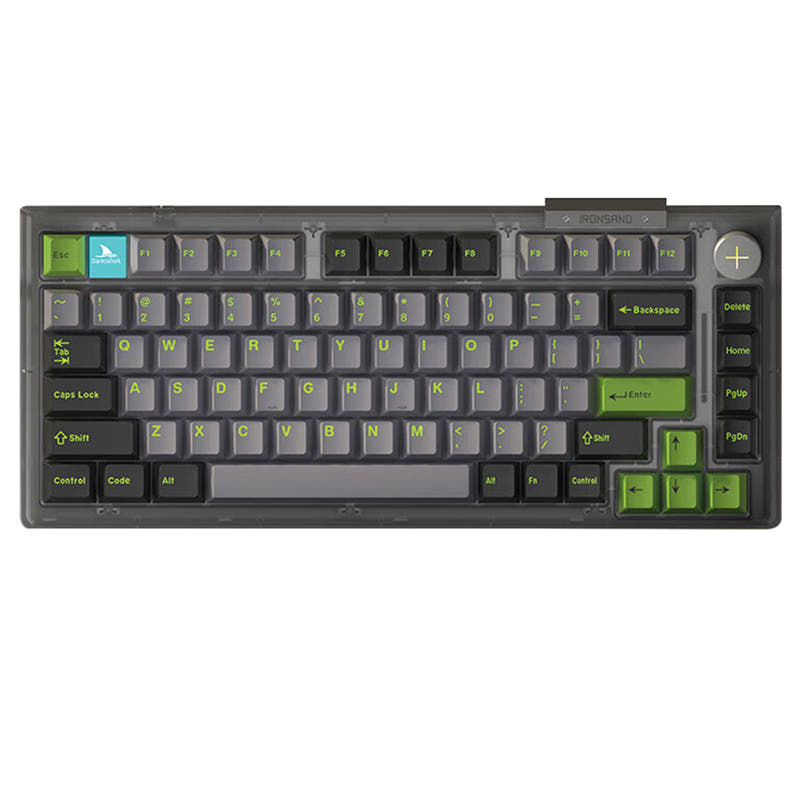
Choose the VTER K75 for a lighter, more portable experience with sound dampening, or the METAPHYUNI PD75M for a premium aluminum build and gasket-mounted feel.
KeebFinder may earn a commission when you buy through these links, at no extra cost to you.


Which one should you get?
Get the
VTER K75
Plastic
Build quality in the bottom 35% of 75% boards under $100.
- Lighter weight of 1200g for easier portability.
- Includes multi-layered sound dampening with silicone and IXPE padding.
- Comes with a 1.28" TFT display, as specified in the vendor description.
Get the
METAPHYUNI PD75M
Aluminum 75% Keyboard
Build quality in the bottom 45% of 75% boards under $150.
- CNC-machined 6063-series aluminum alloy chassis for a premium feel.
- Leaf-spring gasket mount structure for a potentially more flexible typing experience.
- South-facing RGB LEDs for better compatibility with cherry-profile keycaps.
- South-facing LEDs. Shine-through legends stay dark, and some sculpted keycaps can clip the LED.
Your priority should guide your choice. If you value a lighter keyboard with sound-absorbing foam for a quieter, more portable experience, the VTER K75 is the better option. If you prefer the heft and premium typing feel of an aluminum gasket-mounted board and plan to mod it, the METAPHYUNI PD75M justifies its higher cost. For general use, both are competent 75% keyboards with screens and knobs.
The differences that matter
Skip the 40-row spec sheet. These are the specs that change how each board feels, sounds, and fits your desk.
VTER K75
METAPHYUNI PD75M
Case material
Plastic
Aluminum
Display
TFT
Yes
A case display rather than a typing feature
Weight
1,200 g
2,200 g
Heavier boards stay planted and lighter ones travel
Sound dampening
Yes
No
Backlight
RGB
RGB, south-facing
RGB for looks and low light rather than speed
- VTER K75
- METAPHYUNI PD75M
- Performance
- 6852
- Build quality
- 5864
- Productivity
- 8463
- Customizability
- 7580
- Portability
- 8179
- Layout size: 75%
- Connection: Bluetooth, 2.4 GHz, Wired
- Hot-swappable
- Battery: 5,000 mAh
- Switch options: Linear
- Knob
What will you mostly use it for?
The VTER K75 takes the lead for mobile use cases like travel and office settings due to its lighter weight and built-in sound dampening. The METAPHYUNI PD75M is the clear choice for modders seeking a gasket-mounted aluminum chassis. For stationary tasks like programming and content creation, both keyboards offer similar core functionality, making it a tie. Gamers may prefer the VTER for its lighter build.
Pick the VTER K75
- The VTER K75 is significantly lighter at 1200g, making it easier to reposition on a desk.
- Its vendor description mentions a multi-layered sound-dampening internal structure, which may reduce distracting noise during sessions.
VTER K75 vs METAPHYUNI PD75M specs
Every tracked spec, side by side. Rows marked with a dot differ between the boards.
8 of 21 specs differ
VTER K75
METAPHYUNI PD75M
Switch options
Hot-swappable
Mount style
Sound dampening
Layout size
Layout standard
Ergonomics
Knob
Display
Media keys
Connection
Battery
USB-C
Case material
Plate material
Keycaps
Weight
Dimensions
Backlight
Mac & Windows
Released
Compare prices
Live prices from the stores we track, cheapest in-stock offer first.
Prices in USD are converted to your currency and can change at any time. KeebFinder may earn a commission when you buy through these links, at no extra cost to you.
Lowest price across stores, Amazon excluded.


- Check on Amazon
Amazon
Check price

VTER K75 vs METAPHYUNI PD75M: your questions
The VTER K75 is likely better for quiet office use. Its manufacturer description explicitly lists a multi-layered padded structure with silicone and IXPE padding for sound absorption. The METAPHYUNI PD75M's description does not highlight similar internal dampening features.
Yes, the METAPHYUNI PD75M features a leaf-spring gasket-mounted structure. This is confirmed in both the metadata and the vendor description, which states it's designed for comfortable typing with this mounting style.
The weight difference is significant. The VTER K75 weighs 1200 grams (1.2kg), while the METAPHYUNI PD75M weighs 2200 grams (2.2kg). The METAPHYUNI is nearly twice as heavy.
Yes, both the VTER K75 and METAPHYUNI PD75M support full-key hot-swappable sockets. This allows you to easily change the mechanical switches without soldering.
Only the METAPHYUNI PD75M is specified as having south-facing RGB LEDs. The VTER K75 has RGB backlighting, but its LED orientation is not detailed in the provided information.
According to the VTER vendor description, the K75 features a round 1.28-inch TFT display screen. The METAPHYUNI PD75M also has a screen, but its exact size is not specified.
Yes, both keyboards come with PBT keycaps. The METAPHYUNI PD75M's description further specifies they are dual-tone and OEM height.
Both the VTER K75 and METAPHYUNI PD75M are equipped with a 5000mAh battery, as listed in their specifications.
Both keyboards support tri-mode connectivity: Bluetooth, 2.4 GHz wireless, and wired USB-C. The METAPHYUNI vendor page specifies Bluetooth V5.3.
The VTER K75 uses a plastic case and plastic plate. The METAPHYUNI PD75M uses a CNC-machined 6063-series aluminum alloy chassis; its plate material is not specified.
Both keyboards include a knob. The VTER K75 has a multifunctional knob, and the METAPHYUNI PD75M has a metallic multimedia knob, according to their respective descriptions.
Not sold on either?




Still torn?
Answer a few quick questions and the keyboard finder ranks 2,000+ boards by how you will actually use yours.