Nuphy Air60 V2 vs Vortex Core Plus60% vs 40% Low-Profile Showdown
Choose the Nuphy Air60 V2 for a more conventional layout and gaming performance, or the Vortex Core Plus if you prioritize an ultra-minimalist 40% form factor.


Which one should you get?
Get the
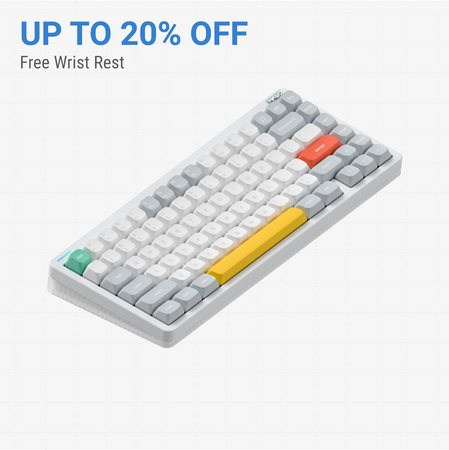
Nuphy Air60 V2
60%
- Explicit 1000Hz polling rate for low-latency wireless and wired use.
- Includes a 2500mAh rechargeable battery and extensive sound-dampening foams (plate poron, PCB IXPE).
- Comes with double-shot PBT keycaps, four extra switches, and extensive accessory options like the NuFolio case.
- Larger 60% form factor is less ultra-portable than a true 40% keyboard.
- Bottom case is made of ABS plastic, not aluminum like the top frame.
- Requires charging, unlike a board with user-replaceable batteries.
Get the
Vortex Core Plus
40% Low-Profile Showdown
- Extremely compact 40% layout with only 50 keys for maximum portability.
- Full CNC aluminum case with a 5-degree typing angle.
- Includes sound-dampening foam in the bottom case and between the plate and PCB.
- The 40% layout has a steep learning curve and relies heavily on layers for numbers and symbols.
- Lacks any form of backlighting or RGB.
- No built-in rechargeable battery; requires purchasing AAA batteries.
Your priority should dictate the choice. If you want a high-performance, feature-rich low-profile keyboard that minimizes desk space without sacrificing too many keys, the Nuphy Air60 V2 is the clear and more versatile option. Only choose the Vortex Core Plus if you are specifically seeking the challenge and ultimate portability of a 40% layout and prefer the simplicity of replaceable batteries.
The differences that matter
Skip the 40-row spec sheet. These are the specs that change how each board feels, sounds, and fits your desk.
Nuphy Air60 V2
Vortex Core Plus
Layout size
60%
40%
Case material
ABS, Aluminum
Aluminum
Switch options
Clicky, Linear, Low-profile Mechanical, Tactile
Clicky, Linear, Tactile
QMK
Yes
No
Plate material
Aluminum
FR4
- Nuphy Air60 V2
- Vortex Core Plus
- Performance
- 7446
- Build quality
- 8070
- Productivity
- 8275
- Customizability
- 9461
- Portability
- 8887
- Connection: Bluetooth, 2.4 GHz, Wired
- Hot-swappable
- Low profile
- VIA
- Sound dampening
What will you mostly use it for?
The Nuphy Air60 V2 is the more versatile choice, winning in gaming, office, programming, modding, and content creation due to its balanced layout, performance specs, and feature set. The Vortex Core Plus claims the travel category decisively by virtue of its extreme 40% size and battery convenience, but demands a significant adaptation to its layered layout for all other tasks.
Pick the Nuphy Air60 V2
- The Air60 V2 has a specified 1000Hz polling rate in its 2.4GHz and wired modes, which the Vortex Core Plus listing does not mention.
- Its 60% layout retains dedicated arrow keys, which are often used in gaming, unlike the 40% Core Plus.
- The Air60 V2 includes RGB backlighting for key visibility.
Nuphy Air60 V2 vs Vortex Core Plus specs
Every tracked spec, side by side. Rows marked with a dot differ between the boards.
10 of 26 specs differ
Nuphy Air60 V2
Vortex Core Plus
Switch options
Hot-swappable
Mount style
Low profile
Sound dampening
Layout size
Layout standard
Ergonomics
Display
Media keys
Connection
Max polling rate
Battery
USB-C
Case material
Plate material
Keycaps
Weight
Dimensions
Typing angle
Backlight
QMK
VIA
N-key rollover
Mac & Windows
Released
Compare prices
Live prices from the stores we track, cheapest in-stock offer first.
Lowest price across stores, Amazon excluded.




Prices in USD are converted to your currency and can change at any time. KeebFinder may earn a commission when you buy through these links, at no extra cost to you.
Nuphy Air60 V2 vs Vortex Core Plus: your questions
The Nuphy Air60 V2 is better suited for gaming. Its manufacturer specifies a 1000Hz polling rate for low latency, and its 60% layout retains dedicated arrow keys. The Vortex Core Plus is a 40% keyboard that requires layers for many inputs and its listing does not mention a high polling rate.
No, the Vortex Core Plus does not have a built-in rechargeable battery. According to its product listing, its wireless mode is powered by 2 AAA batteries, which are not included. The Nuphy Air60 V2 uses a built-in 2500mAh lithium battery.
Yes, both keyboards support customization through the VIA software. The Nuphy Air60 V2 vendor description also states it has full QMK support, which allows for even more advanced firmware-level customization beyond what VIA offers.
The Vortex Core Plus is more portable due to its smaller 40% size with only 50 keys. Its use of AAA batteries also means you can swap in fresh cells anywhere without needing to recharge. The Air60 V2 is still compact but is a larger 60% board.
Yes, both product listings confirm compatibility with macOS and Windows. The Nuphy Air60 V2 vendor page additionally lists Linux, Android, and iOS compatibility, and highlights specific macOS shortcut keys.
The Nuphy Air60 V2 comes with double-shot PBT keycaps. The Vortex Core Plus uses dye-sublimated keycaps with a low-profile VTG profile. Both materials are known for durability.
Yes, both the Nuphy Air60 V2 and the Vortex Core Plus feature hot-swappable PCBs. This allows you to change switches without soldering. The Core Plus listing specifies its PCB is designed for Gateron low-profile switches.
Both have sound-dampening features. The Nuphy Air60 V2 uses plate poron foam, PCB IXPE foam, and spacebar silicone according to its description. The Vortex Core Plus includes bottom case foam and foam between the plate and PCB. Direct comparison is difficult without testing, but both are designed to reduce noise.
No, the Vortex Core Plus does not have any backlighting or RGB lighting. The Nuphy Air60 V2 features RGB backlighting with 40 modes and RGB side light bars that show battery and connection status.
According to its vendor page, the Air60 V2 includes the keyboard, a USB-C to USB-A cable, a short USB-C to USB-C cable, a 2.4G receiver, 11 extra keycaps, 4 extra switches, a keycap/switch puller, a sticker set, and a quick guide.
The Vortex Core Plus features a low-profile CNC aluminum case with a 5-degree typing angle. The listing specifies both the top and bottom materials are aluminum.
Not sold on either?




Still torn?
Answer a few quick questions and the keyboard finder ranks 2,000+ boards by how you will actually use yours.