Keychron K1 V6 vs K8 MaxLow-Profile vs Full-Size TKL Choice
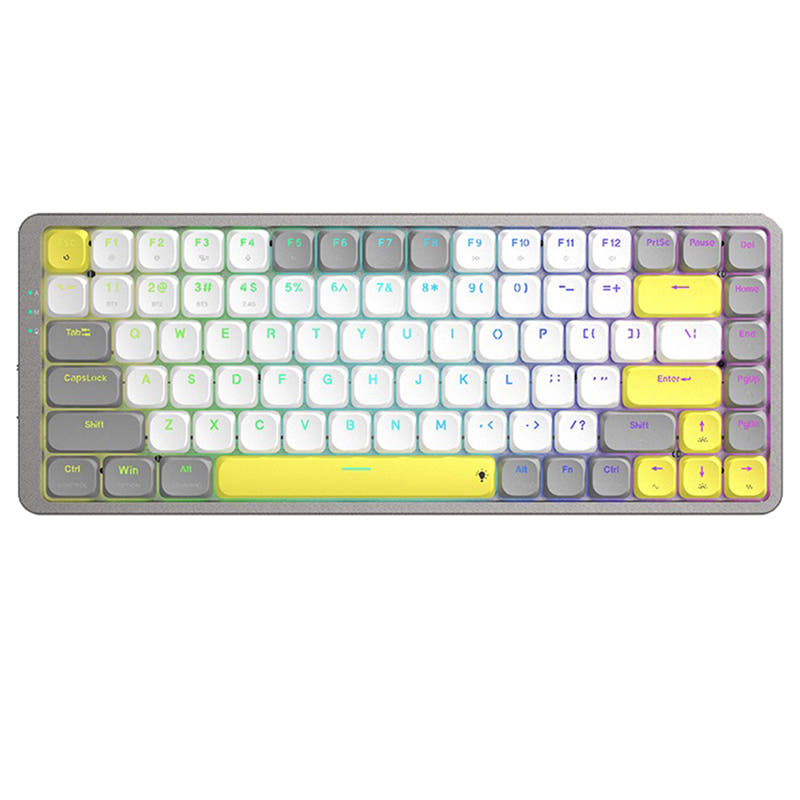
Choose the K1 V6 for its slim, low-profile portability, or the K8 Max for its heavier build, superior battery, and broader switch compatibility.


Which one should you get?
Get the
Keychron K1 V6
Low-Profile
- Ultra-slim, low-profile design with Keychron Milk POM switches for a distinct typing feel.
- Lightweight at 596g, making it highly portable.
- Includes enhanced acoustic foams (IXPE and latex) for a quieter typing experience.
- Hot-swap compatibility is limited to Keychron or Gateron low-profile switches only.
- Smaller 2000mAh battery capacity.
- Uses ABS keycaps, which may develop shine over time faster than PBT.
Get the
Keychron K8 Max
Full-Size TKL Choice
- Larger 4000mAh battery for extended wireless use.
- Hot-swap sockets support a wide range of standard 3-pin and 5-pin MX-style switches.
- Comes with double-shot PBT keycaps for better durability and texture.
- Substantially heavier at 1308g, reducing portability.
- Higher price point based on listed starting prices.
- South-facing RGB LEDs may not provide as direct a shine-through effect on its own keycaps.
Your primary typing preference dictates the choice. If you desire a sleek, modern, and highly portable keyboard with a unique low-profile feel, the Keychron K1 V6 is the compelling option. If you prefer a traditional, weighty mechanical keyboard with superior battery life, extensive modding potential, and durable PBT keycaps, the Keychron K8 Max is the better investment for long-term use.
The differences that matter
Skip the 40-row spec sheet. These are the specs that change how each board feels, sounds, and fits your desk.
Keychron K1 V6
Keychron K8 Max
Connection
Bluetooth, Wired
Bluetooth, 2.4 GHz, Wired
Battery
2,000 mAh
4,000 mAh
Low profile
Yes
No
Case material
ABS, Aluminum
ABS, Aluminum, Steel
Mount style
Top Mount
PCB Mount, Plate Mount
- Keychron K1 V6
- Keychron K8 Max
- Performance
- 8282
- Build quality
- 7988
- Productivity
- 8095
- Customizability
- 8891
- Portability
- 7373
- Layout size: 80%
- Hot-swappable
- Max polling rate: 1,000 Hz
- Switch options: Clicky, Linear, Tactile
- QMK
- VIA
What will you mostly use it for?
The K8 Max holds advantages for gaming, programming, and modding due to its robust construction, broader switch support, and stabilizer design. The K1 V6 is the clear winner for travel thanks to its lightweight, low-profile form factor. For office use and content creation, the keyboards are closely matched, with the choice boiling down to a preference for keycap material and typing height.
Pick the Keychron K8 Max
- The K8 Max maintains a 1000 Hz polling rate on both its 2.4 GHz and wired connections, according to its product page.
- Its heavier 1308g weight and steel plate may provide more stability during intense use.
- South-facing RGB LEDs prevent interference with Cherry-profile keycaps, a common choice for gamers.
What owners say
Ratings and quotes collected from verified store reviews, including the critical ones.
Keychron K1 V6
2 owner reviews
“Love it! My first mechanical, now typing is a beautiful experience, I enjoy coming back to the keyboard! Remapped with Makros, so I have my apps at the fingertip. I am experiencing some minor bugs like "Enter"-key "stuck", meaning the keyboard typed enter…”
Keychron K8 Max
No owner reviews collected yet.
Keychron K1 V6 vs K8 Max specs
Every tracked spec, side by side. Rows marked with a dot differ between the boards.
14 of 27 specs differ
Keychron K1 V6
Keychron K8 Max
Switch options
Hot-swappable
Mount style
Low profile
Sound dampening
Screw-in stabilizers
Layout size
Layout standard
Ergonomics
Display
Media keys
Connection
Max polling rate
Battery
USB-C
Case material
Plate material
Keycaps
Weight
Dimensions
Typing angle
Backlight
QMK
VIA
N-key rollover
Mac & Windows
Released
Compare prices
Live prices from the stores we track, cheapest in-stock offer first.
Lowest price across stores, Amazon excluded.


Prices in USD are converted to your currency and can change at any time. KeebFinder may earn a commission when you buy through these links, at no extra cost to you.
Keychron K1 V6 vs K8 Max: your questions
The Keychron K1 V6 is an ultra-slim, low-profile keyboard weighing 596g with a fixed 3-degree angle. The K8 Max is a standard-profile, much heavier keyboard at 1308g with an adjustable typing angle up to about 11 degrees, offering a more traditional mechanical keyboard feel.
The Keychron K8 Max has a larger 4000mAh battery, which should provide significantly longer wireless usage between charges compared to the K1 V6's 2000mAh battery. Actual runtime will depend on usage patterns and lighting settings.
You can use Cherry MX switches on the K8 Max, as its hot-swap sockets support almost all standard 3-pin and 5-pin MX-style switches. The K1 V6 is only compatible with specific low-profile switches from Keychron or Gateron and cannot accept standard Cherry MX switches.
Yes, both the Keychron K1 V6 and K8 Max are compatible with macOS and Windows. Each includes keycap sets for both operating systems, allowing for seamless switching between layouts.
The K8 Max is more versatile for aftermarket keycaps. It uses standard-profile PBT keycaps and features south-facing RGB LEDs, which prevents interference with Cherry-profile keycaps. The K1 V6 requires specific low-profile keycaps due to its unique switch design.
According to their product pages, the K8 Max maintains a 1000 Hz polling rate on its 2.4 GHz wireless connection. The K1 V6's product description states its wireless (Bluetooth) polling rate is 90 Hz, with 1000 Hz reserved for wired mode.
Both keyboards feature sound-dampening foam. The K1 V6 uses IXPE and latex foam, while the K8 Max uses IXPE, PET, and EPDM foam. The K1 V6's low-profile switches may produce a different sound signature, but both are designed to reduce acoustic noise.
Yes, both keyboards support full key remapping and macro creation. They use open-source QMK firmware and are configurable through the VIA software and the Keychron Launcher web app, offering extensive programmability.
The K8 Max uses screw-in PCB stabilizers, which are generally considered more stable and are user-replaceable. The K1 V6 uses redesigned stabilizers, but the listing does not specify if they are plate-mounted or screw-in.
The K8 Max justifies its higher price with a larger battery, PBT keycaps, broader switch compatibility, screw-in stabilizers, and a more substantial steel-plate build. If these features align with your needs for durability and customization, it is worth the investment. If portability and a low-profile design are priorities, the K1 V6 offers better value.
Both keyboards offer over 22 dynamic RGB backlight modes with adjustable hue, saturation, and speed. The K1 V6 uses north-facing LEDs for shine-through on its ABS keycaps, while the K8 Max uses south-facing LEDs, which are better for compatibility with Cherry-profile keycaps.
Not sold on either?




Still torn?
Answer a few quick questions and the keyboard finder ranks 2,000+ boards by how you will actually use yours.