$89

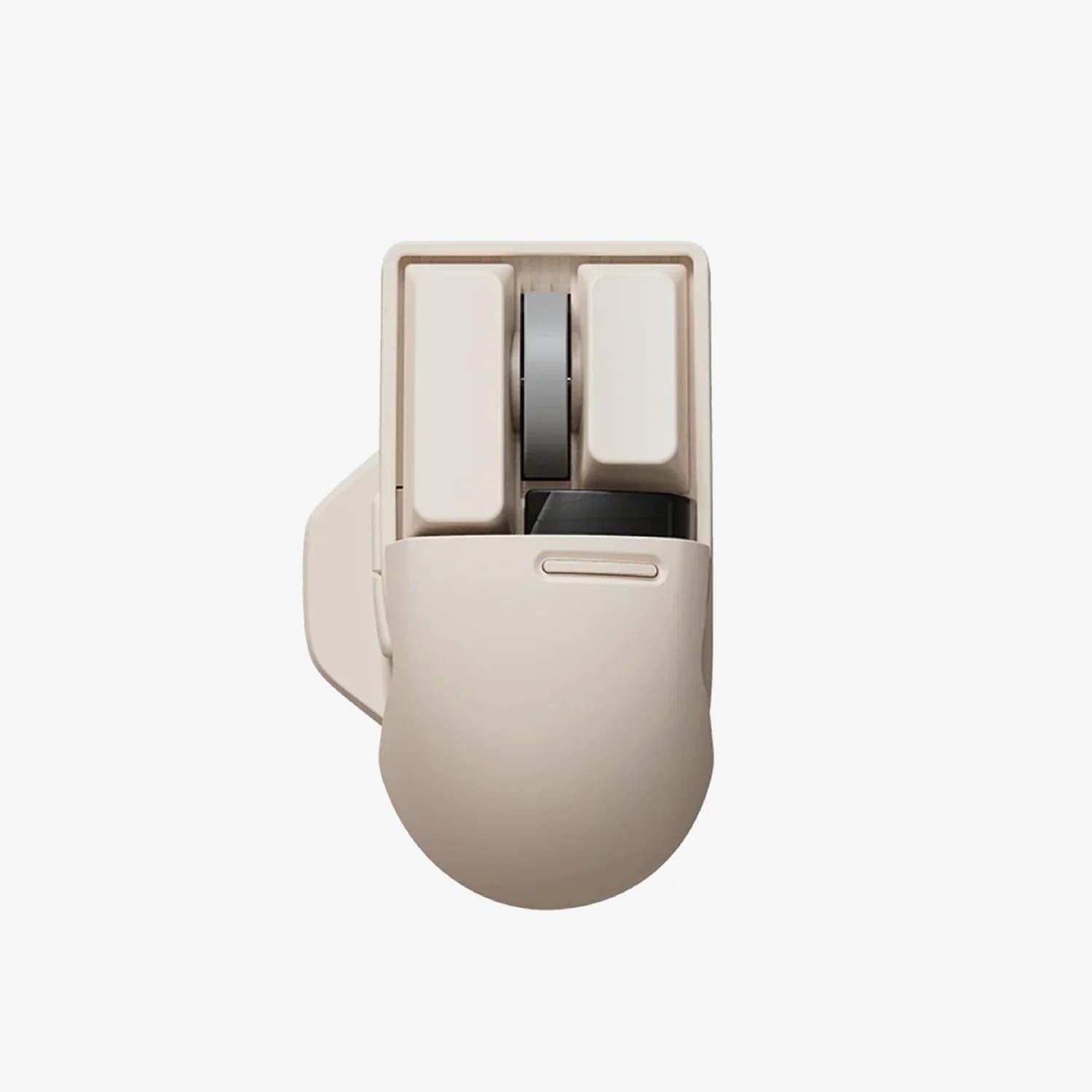
Epomaker Carbonis Mouse
Wireless,
300 mAh,
30000 DPI,
8000 Hz
Explore the comprehensive side-by-side comparison of the Cherry M50 Mouse and Epomaker CarbonX Mouse and view their biggest differences. The detailed comparison table allows you to see all the essential features, specifications, and benefits of each mouse at a glance. Whether you're looking for performance, value, or specific functionalities, this comparison tool helps you make an informed decision.
 |  | Select a mouse to compare |
0.0 stars (0 reviews) | 0.0 stars (0 reviews) | |
|
| |
Name Cherry M50 Mouse | Name Epomaker CarbonX Mouse | |
Release year 2024 | Release year 2025 | |
Features Macro Buttons Software Tunable Memory Profiles RGB Lighting | Features Macro Buttons Adjustable DPI Software Tunable | |
Weight - | Weight 50g | |
Dimensions - | Dimensions 40 x 62 x 118 mm | |
Battery capacity - | Battery capacity 300 mAh | |
Connection Bluetooth, 2.4 GHz, Wired, Wireless | Connection Bluetooth, 2.4 GHz, Wired, Wireless | |
Battery Capacity - | Battery Capacity 300 mAh | |
Battery Life 100h | Battery Life - | |
Max Polling Rate - | Max Polling Rate 8000 Hz | |
Min DPI - | Min DPI 400 DPI | |
Max DPI - | Max DPI 30000 DPI | |
Handedness - | Handedness - | |
Button Count - | Button Count - | |
Sensor Type - | Sensor Type - | |
Scroll Wheel Type Tilt | Scroll Wheel Type Standard | |
Acceleration - | Acceleration 50G | |
Switch Type - | Switch Type Optical |
You might also like similar products in that price range: