Ducky Tinker 65 ProjectD vs Vortex CypherHotswap vs 60% Layout Choice
Choose the Ducky Tinker 65 for extensive customization and a dedicated arrow cluster, or the Vortex Cypher for a more compact 60% form factor with hardware-based layout switching.
KeebFinder may earn a commission when you buy through these links, at no extra cost to you.


Which one should you get?
Get the
Ducky Tinker 65 ProjectD
Hotswap
Build quality in the top 15% of 65% boards under $50.
- Hot-swappable PCB with 5-pin Kailh sockets for easy switch changes.
- Extensive programmability via QMK and VIA open-source firmware.
- Includes sound-dampening IXPE switch pads and Poron plate/bottom foam.
- South-facing LEDs. Shine-through legends stay dark, and some sculpted keycaps can clip the LED.
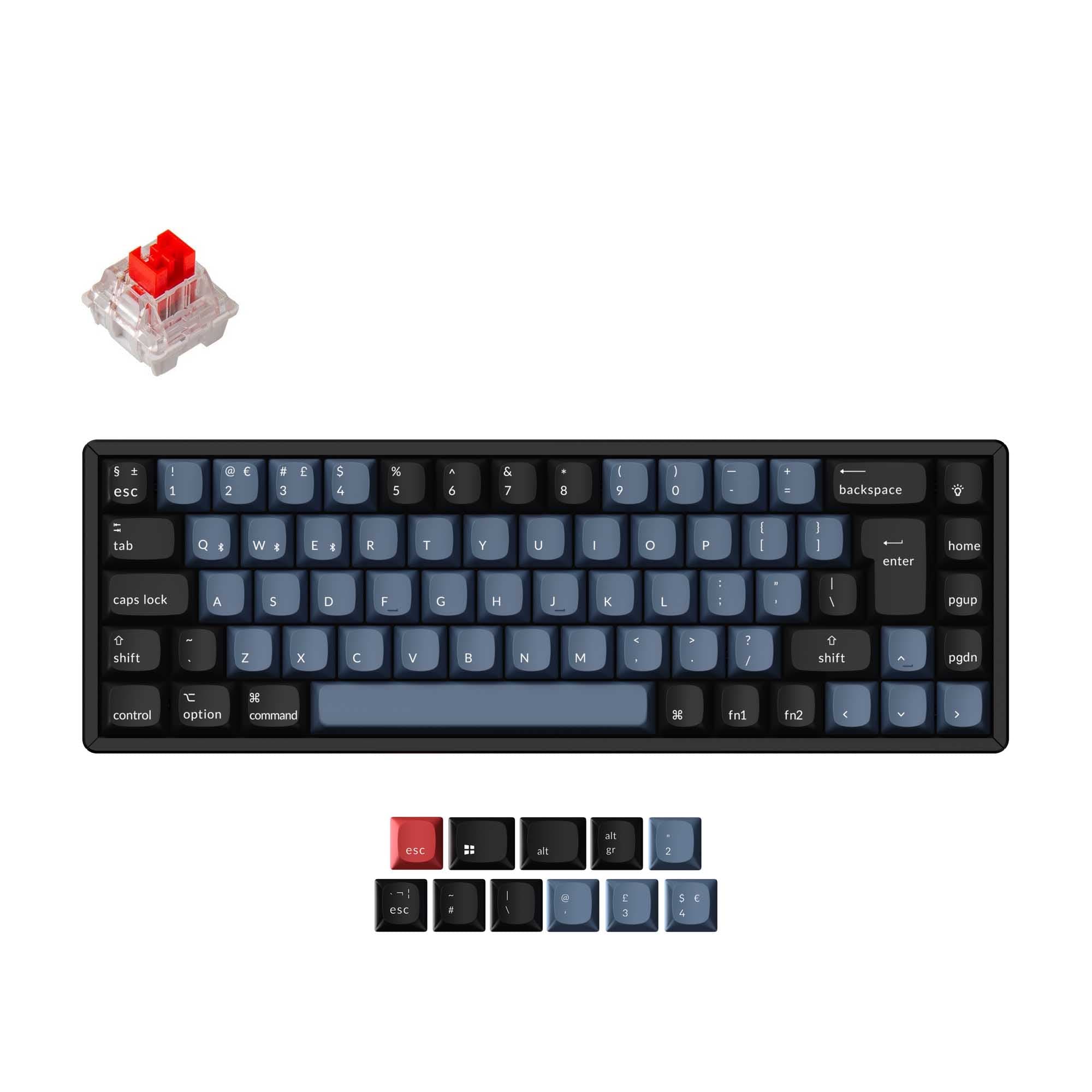
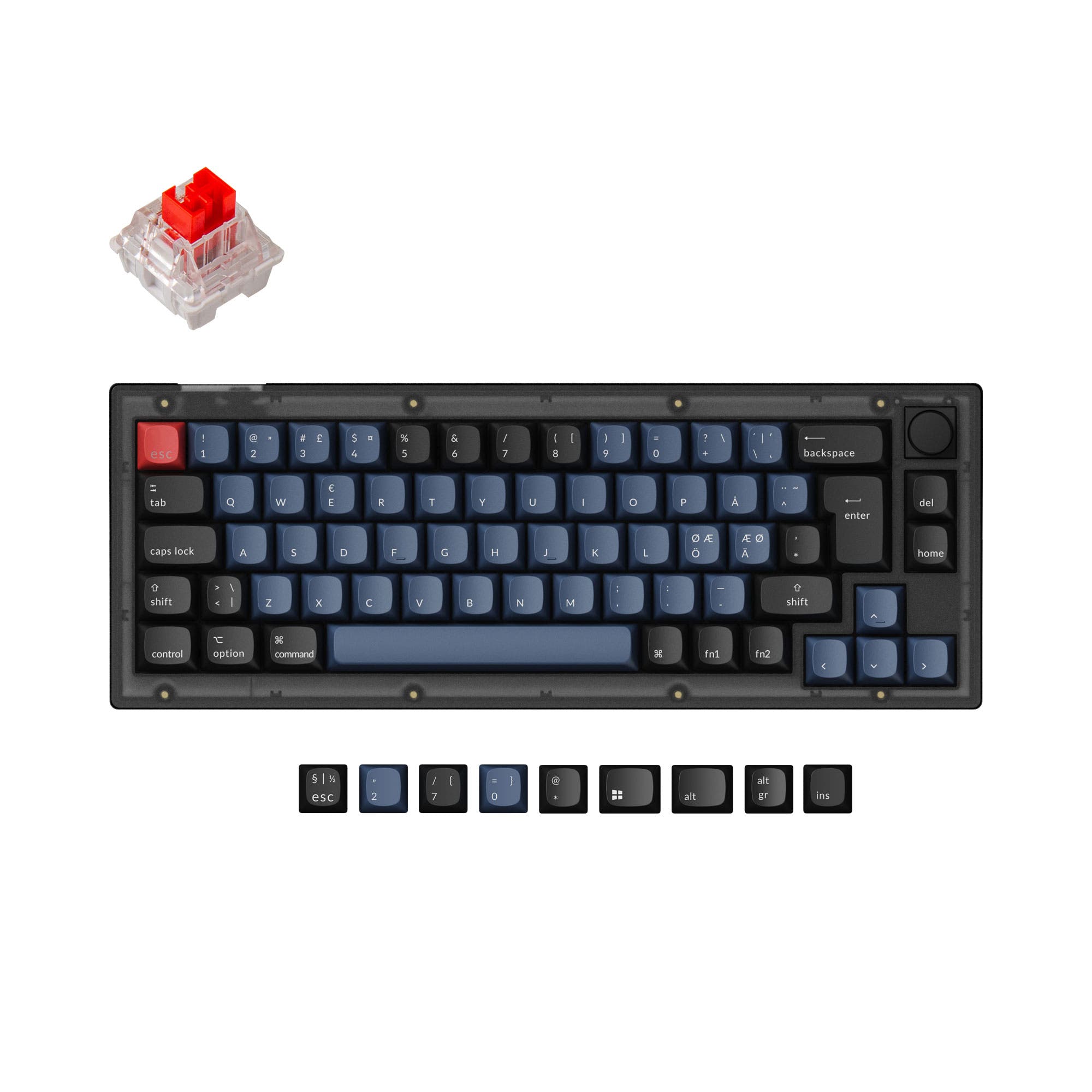
- 65% layout. No function row and no numpad.
Get the
Vortex Cypher
60% Layout Choice
Build quality in the bottom 10% of 60% boards under $100.
- More compact 60% layout for maximum space savings.
- Hardware-based full key programming and pre-programmed QWERTY, Colemak, and Dvorak layouts.
- Offers a wider variety of Cherry MX switch options, including silent variants.
- Switches are soldered. Swapping them means soldering.
- Compact layout only. No function row, dedicated arrow keys, or numpad.
For most users, the Ducky Tinker 65 ProjectD is the recommended choice. It provides significantly more value through its hotswap capability, advanced programmability, and thoughtful pre-installed mods like foam and a gasket mount. Only choose the Vortex Cypher if your primary requirement is the smallest possible keyboard footprint and you are comfortable with soldered switches and hardware-layer programming.
The differences that matter
Skip the 40-row spec sheet. These are the specs that change how each board feels, sounds, and fits your desk.
Ducky Tinker 65 ProjectD
Vortex Cypher
Layout size
65%
60%
Hot-swappable
Yes
No
Switch changes without soldering
Case material
ABS, Plastic
Plastic
Switch options
Clicky, Linear, Tactile
Clicky, Linear, Silent, Tactile
QMK
Yes
No
The deep option when you want to remap every key
- Ducky Tinker 65 ProjectD
- Vortex Cypher
- Performance
- 6451
- Build quality
- 8244
- Productivity
- 9353
- Customizability
- 9345
- Portability
- 7568
- Connection: Wired
- Mount style: Plate Mount
- Keycaps: PBT
What will you mostly use it for?
The Ducky Tinker 65 ProjectD is the more versatile choice, winning in most categories due to its balance of a compact layout with arrow keys, extensive programmability, and a foundation built for modification. Its sound-dampening features and adjustable stand add to its utility for office and programming. The Vortex Cypher's primary advantage is its smaller 60% size, making it a contender for travel or those who prioritize a minimal desk footprint, but it lacks the modern customization features of its competitor.
Pick the Ducky Tinker 65 ProjectD
- The Ducky Tinker 65 has a 65% layout with dedicated arrow keys, which can be useful for certain games.
- It features RGB backlighting, which the Vortex Cypher lacks.
- Its hotswap capability allows for easy switch experimentation to find a preferred gaming feel.
Ducky Tinker 65 ProjectD vs Vortex Cypher specs
Every tracked spec, side by side. Rows marked with a dot differ between the boards.
12 of 21 specs differ
Ducky Tinker 65 ProjectD
Vortex Cypher
Switch options
Hot-swappable
Mount style
Sound dampening
Screw-in stabilizers
Layout size
Layout standard
Ergonomics
Display
Media keys
Connection
USB-C
Case material
Plate material
Keycaps
Backlight
QMK
VIA
N-key rollover
Mac & Windows
Released
Compare prices
Live prices from the stores we track, cheapest in-stock offer first.
Prices in USD are converted to your currency and can change at any time. KeebFinder may earn a commission when you buy through these links, at no extra cost to you.
Lowest price across stores, Amazon excluded.


Ducky Tinker 65 ProjectD vs Vortex Cypher: your questions
The Ducky Tinker 65 is likely better for typing due to its included sound-dampening foams (IXPE and Poron) and gasket mount design, which can provide a more comfortable and quieter experience. The Vortex Cypher lacks these specific dampening features mentioned in its listing.
No, the Vortex Cypher is not hot-swappable. Its switches are soldered to the PCB, so changing them requires desoldering and soldering equipment. The Ducky Tinker 65 features a hot-swappable PCB for tool-free switch changes.
Yes, the Ducky Tinker 65 is a 65% layout keyboard, which includes a dedicated cluster of arrow keys along with a few navigation keys. The Vortex Cypher is a 60% layout and does not have dedicated arrow keys.
The Ducky Tinker 65 is more programmable. It supports QMK and VIA, which are powerful, open-source firmware platforms allowing for deep customization of layers, macros, and key functions via software. The Vortex Cypher offers hardware-based programming and pre-set layout toggles.
Yes, both keyboards are listed as compatible with Windows, Mac, and Linux operating systems. They connect via a detachable USB-C cable.
Both keyboards come with PBT keycaps, which are more durable and resistant to shine than ABS plastic. The Ducky's keycap profile is not specified, while the Vortex Cypher uses OEM profile keycaps with laser-etched legends.
Yes, the Ducky Tinker 65 is an excellent board for beginners interested in customization. Its hot-swappable design allows new users to try different switches without soldering, and the pre-installed foam provides a good starting sound profile.
Based on the specifications, the Ducky Tinker 65 uses an FR4 plate and includes screw-in stabilizers and a gasket mount design, which are generally associated with a more premium construction. The Vortex Cypher is listed with a plastic plate and standard plate-mount stabilizers.
Yes, but it may require adaptation. Gamers would need to use a function layer to access arrow keys or remap keys for gaming. The Ducky Tinker 65 provides dedicated arrow keys, which some gamers may find more convenient.
According to the vendor description, the Ducky Tinker 65 includes a detachable braided USB-C cable and a keyboard with a 3-stage adjustable stand. It does not come with additional keycaps or switches unless purchased in a bundle.
No, the Vortex Cypher does not have any form of backlighting or RGB lighting. The Ducky Tinker 65 features RGB backlighting with south-facing LEDs.
The Vortex Cypher is more portable due to its smaller 60% form factor, which saves more desk space and may be easier to fit in a bag. Both are wired-only and have similar plastic case constructions.
Not sold on either?





Still torn?
Answer a few quick questions and the keyboard finder ranks 2,000+ boards by how you will actually use yours.