Out of stock
Add to comparison
60
Overall/ Value
60.4Build Quality
53.0Customizability
60.2Performance
74.0Productivity
65.1Portability
64.0$229

Browse every 75% mechanical keyboard available. Find compact boards with function rows, arrow keys, and navigation keys. Compare 75% keyboard kits and pre-built options by price, features, and availability across 40+ stores.
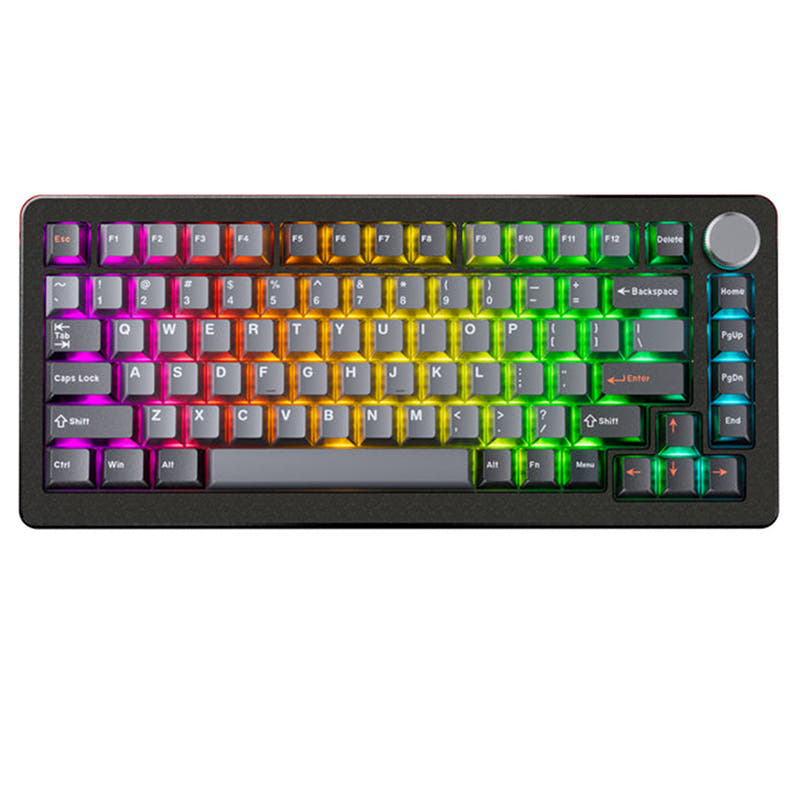

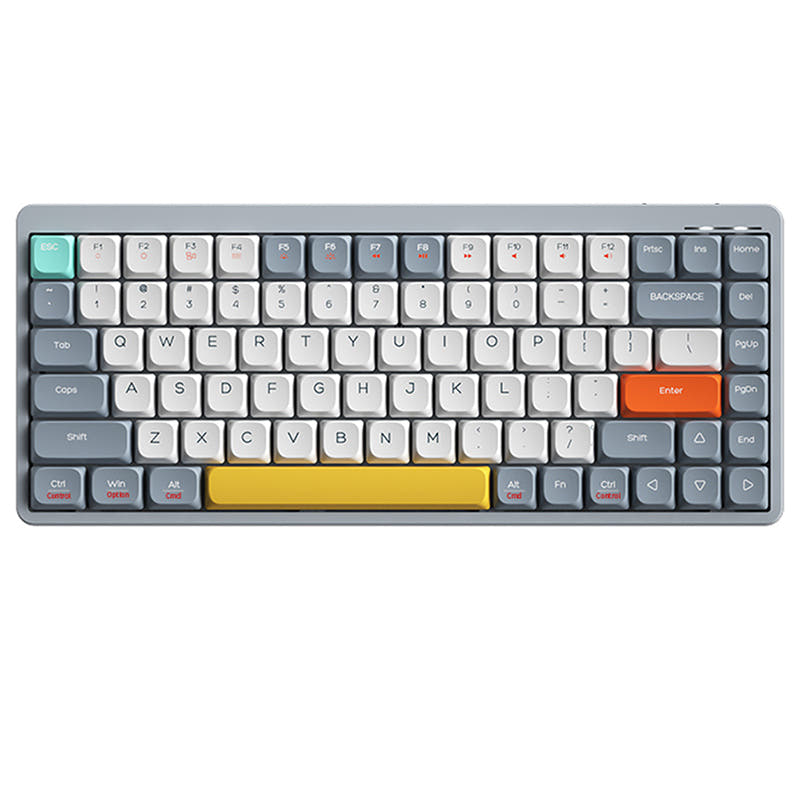


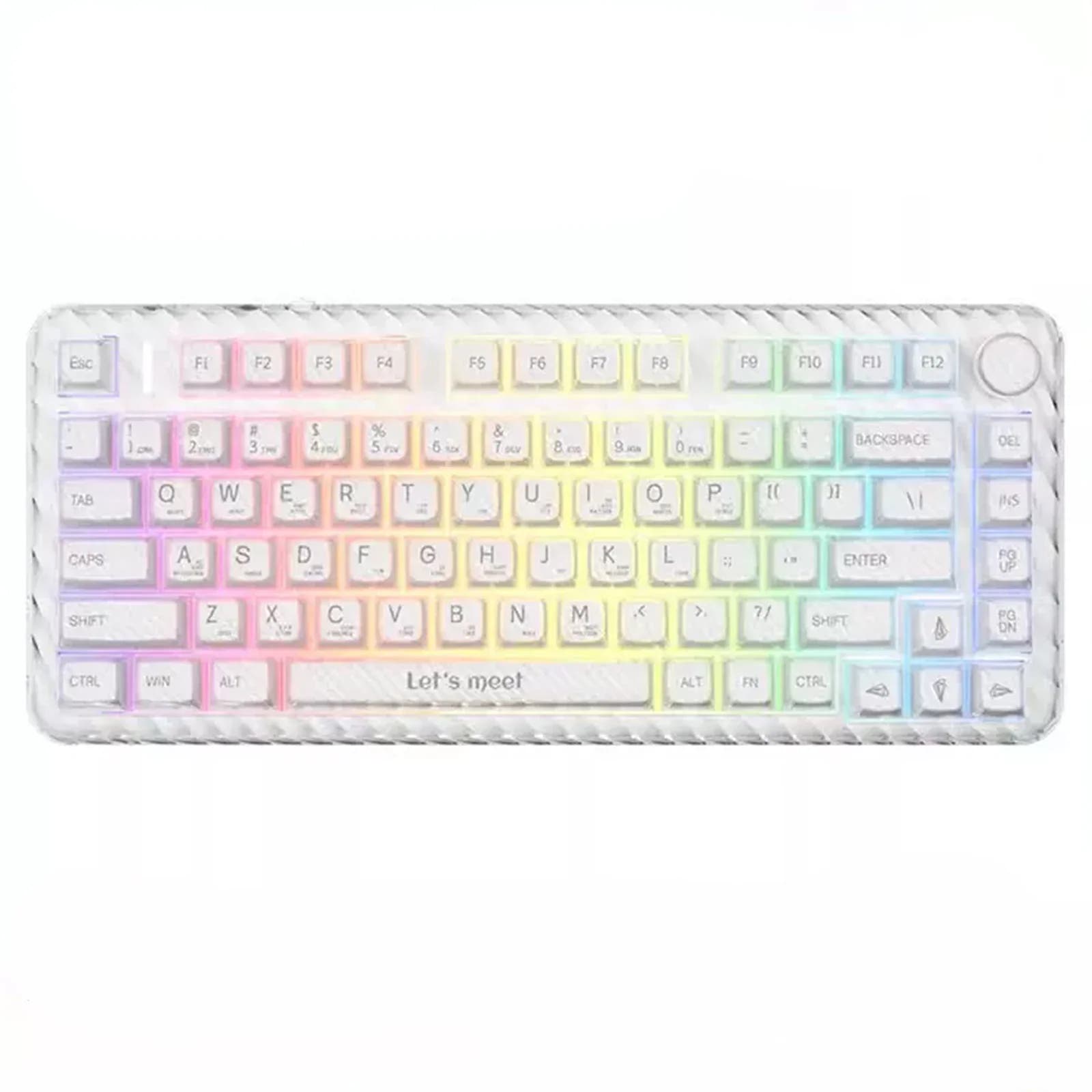


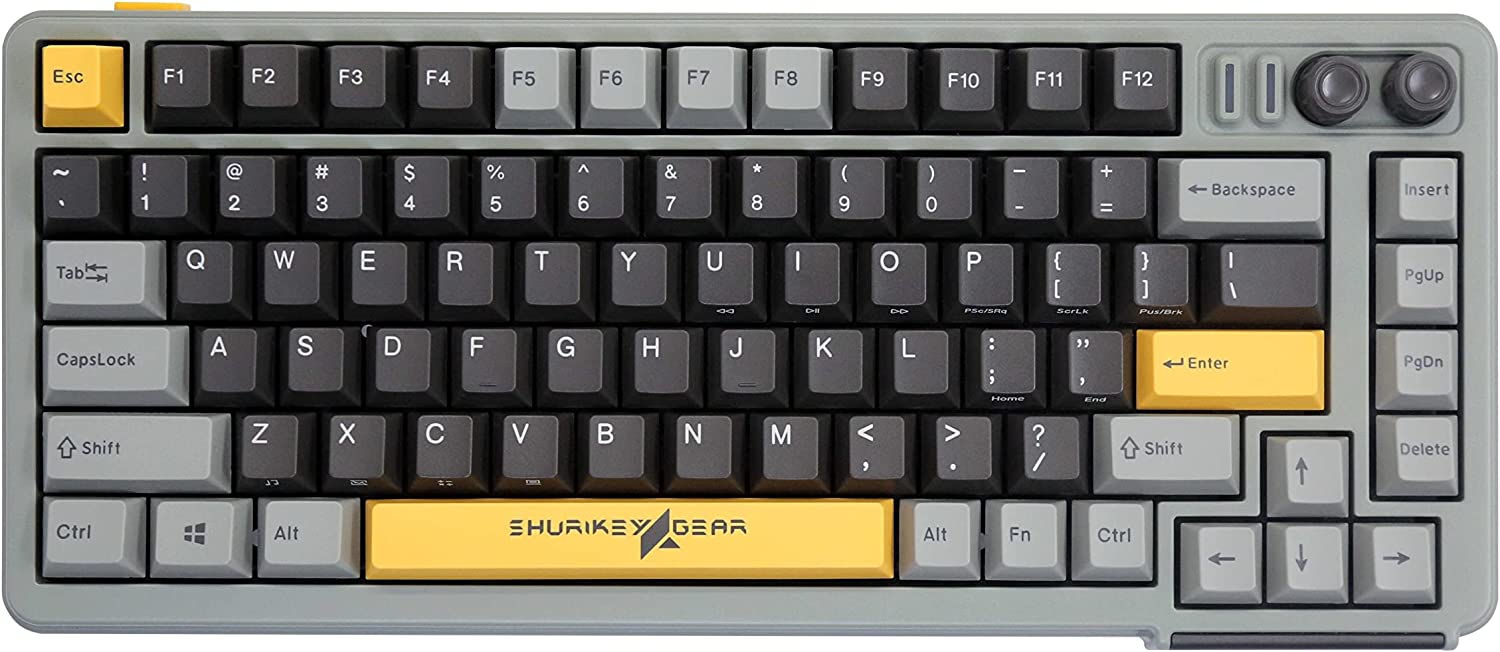


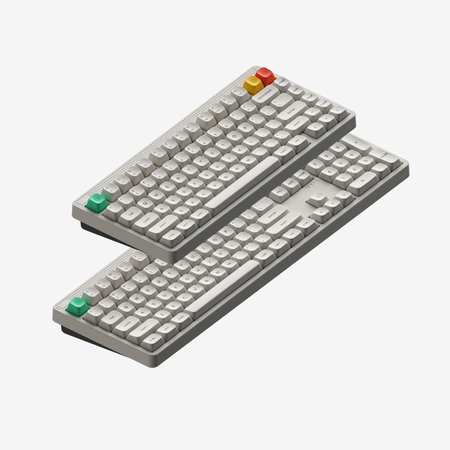
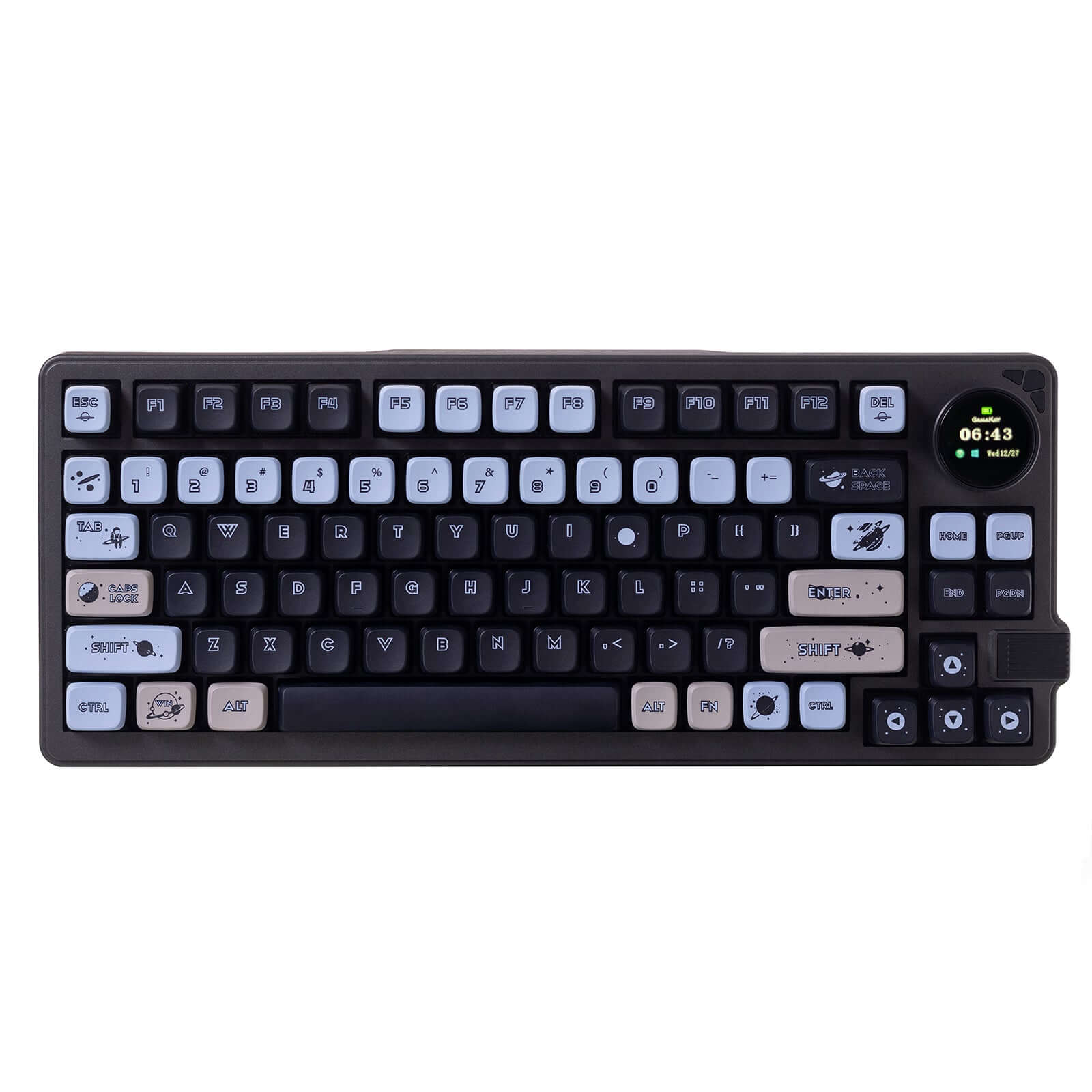


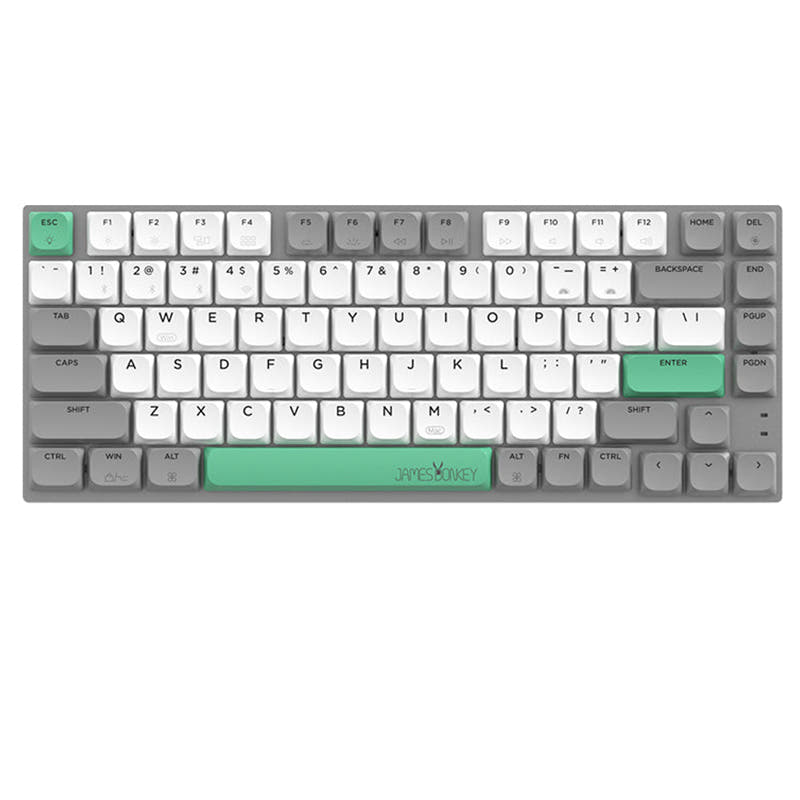


Looking for a 75% keyboard? Browse every 75% mechanical keyboard in one place. Compare compact boards that keep the function row and arrow keys while saving significant desk space compared to TKL layouts.
Our database tracks every 75% mechanical keyboard currently on the market. Filter by switch type, case material, mounting style, and price to find your ideal compact board. New 75% models are added regularly from brands like Keychron, GMMK, Akko, and many custom keyboard designers.
75% keyboard cases range from budget plastic to premium CNC aluminum. The compact footprint means less material, making aluminum 75% cases more affordable than larger layouts. Popular case options include gasket-mounted designs with internal dampening for refined acoustics. Both pre-built and barebones 75% boards are widely available.
The 75% layout packs the function row, arrow keys, and navigation keys into a footprint barely larger than a 65%. You get dedicated F-keys for shortcuts and gaming without the spacing gaps of a TKL. This makes 75% the ideal compromise for users who need function keys but want to maximize mouse space.
Programmers appreciate the 75% layout for keeping F-keys accessible for debugging, IDE shortcuts, and terminal commands. The compact size leaves room for a mouse or trackball nearby. Combined with QMK or VIA support, a 75% board becomes a powerful development tool with custom layers for different languages and tools.
A 65% board drops the function row entirely. A TKL keeps the function row but adds spacing between sections, making it wider. The 75% compresses the function row tightly above the alphas with minimal gaps. If you use F-keys often but want the smallest possible board with them, 75% is the answer.
Many 75% keyboards include a rotary encoder in the top-right corner, replacing the Delete or Page Up key. This adds volume control and programmable functions without increasing the board's footprint. The knob fits naturally into the 75% layout where there is just enough room above the arrow cluster.