Out of stock
Add to comparison
$94

Browse mechanical keyboards with tactile switches that provide a satisfying bump on every keystroke. Compare boards with Cherry MX Brown, Boba U4T, Zealios V2, and other tactile options in hot-swap and pre-built configurations across 40+ vendors on KeebFinder.


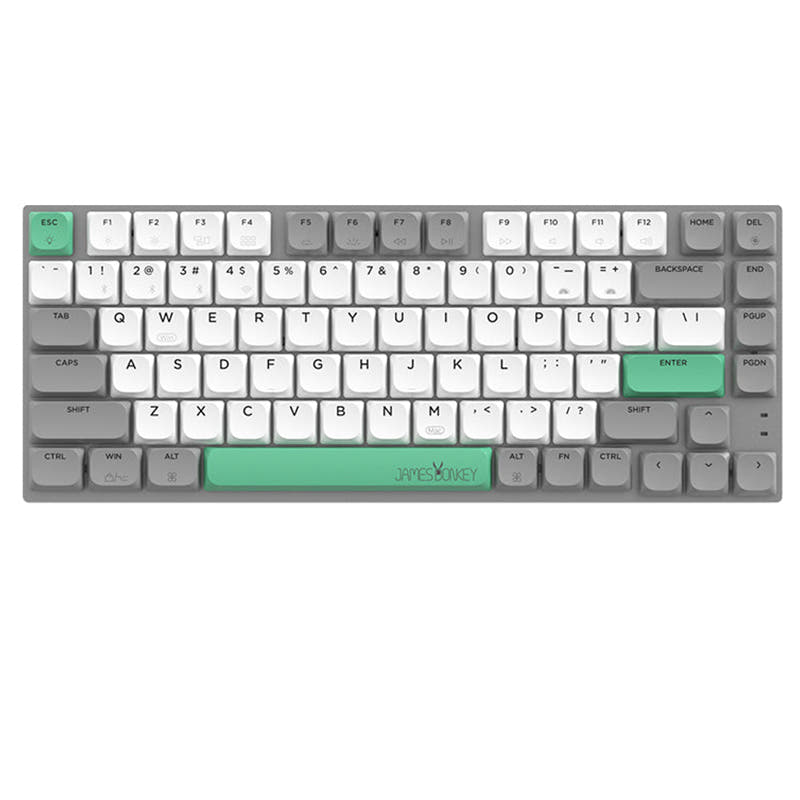


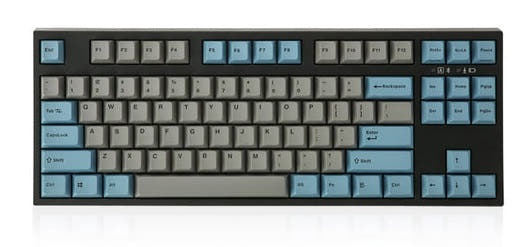


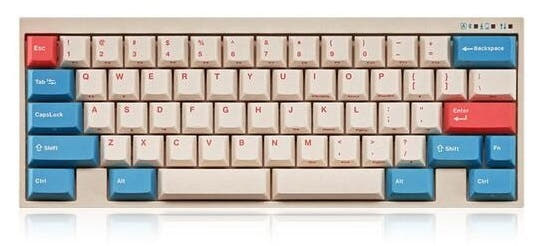


Tactile switches deliver a physical bump partway through the keystroke, confirming actuation without the noise of a clicky switch. Browse boards loaded with popular tactiles or pick a hot-swap model to install your favorite bump switch yourself.
Tactile switches range from the gentle nudge of Cherry MX Brown (55g, mild bump) to the aggressive snap of Zealios V2 67g and Boba U4T (sharp, rounded bump). In between, Gateron Brown and Durock T1 offer moderate feedback at accessible prices. Your ideal tactile depends on whether you want subtle confirmation or a pronounced event on every keystroke — hot-swap boards let you compare without soldering.
Tactile switches sit between linear and clicky in both feel and noise. Linears are smooth and quiet, ideal for gaming and shared spaces. Clickies add an audible click on top of the bump, satisfying but loud. Tactiles give you physical feedback without the sharp click, making them the most versatile choice for typists who want confirmation without disturbing colleagues or stream audio.
In an office setting, tactile switches help you type accurately without the noise penalty of clickies. Pair a medium-weight tactile like Gateron Brown or Durock T1 with a gasket mount board and sound-dampening foam for a quiet yet satisfying setup. Look for PBT keycaps with sculpted profiles — Cherry or MT3 — to maximize comfort during full-day typing marathons.
The best way to find your perfect tactile is to try several. Hot-swap keyboards let you pop switches in and out using a simple puller tool. Start with a stock tactile, then experiment with higher-bump options like Boba U4T or Holy Pandas. Many enthusiasts keep two or three sets of tactile switches on rotation depending on their mood and task for the day.
Lubing tactile switches smooths out scratchiness and can reduce spring ping, but over-lubing risks muting the bump you chose them for. Apply a thin coat of Krytox 205g0 to the rails and spring only, avoiding the bump legs on the stem. Many enthusiasts use Tribosys 3203 instead for a lighter application that preserves tactile clarity while improving smoothness.
Budget-friendly boards from Keychron, Epomaker, and Royal Kludge ship with decent stock tactiles and hot-swap sockets so you can upgrade later. At the sub-$100 price point, focus on boards with solid stabilizers, USB-C, and QMK/VIA support. The switch itself is easy to replace; the PCB, case, and firmware stack are what make or break the long-term value of a budget tactile keyboard.