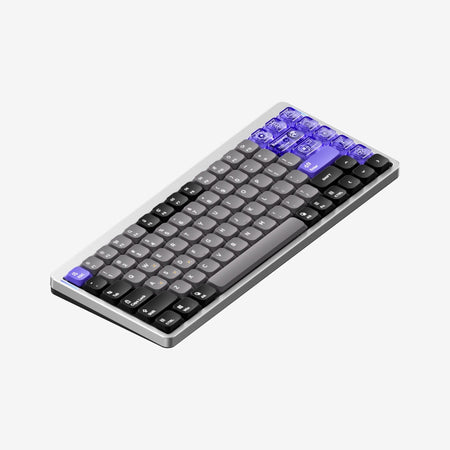
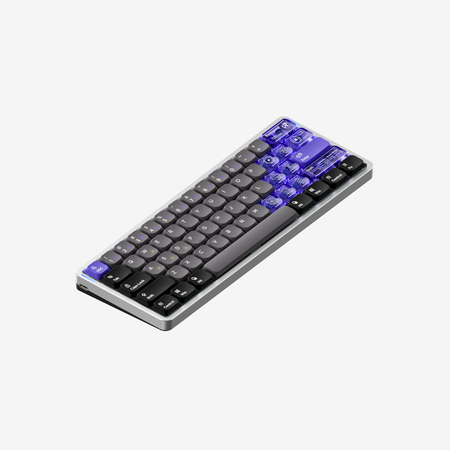
Browse every low profile mechanical keyboard available. Find slim keyboards in Alice, ISO, 65%, 75%, and full-size layouts. Compare low profile models with features like hot-swap, wireless, and QMK support across 40+ stores.


Looking for a low profile keyboard? Browse every slim mechanical keyboard available and filter by layout, switch type, and features. Compare low profile models across Alice, ISO, and standard layouts to find your ideal thin keyboard.
Our complete list covers every low profile mechanical keyboard currently on the market. Filter by layout size, connectivity, and switch type to find exactly what you need. New slim models are added regularly from brands like Keychron, Nuphy, and Lofree.
A low profile Alice keyboard combines ergonomic split-angle typing with a slim form factor. These boards reduce wrist strain while keeping a sleek desk presence. Several manufacturers now offer Alice-layout boards with low profile switches, making ergonomic typing more accessible without the bulk of traditional Alice boards.
Finding a low profile ISO keyboard can be challenging, but options are growing. ISO layout with low profile switches is ideal for European typists who want a slim board without giving up their preferred key arrangement. Filter for ISO standard in our listings to see all available low profile models.
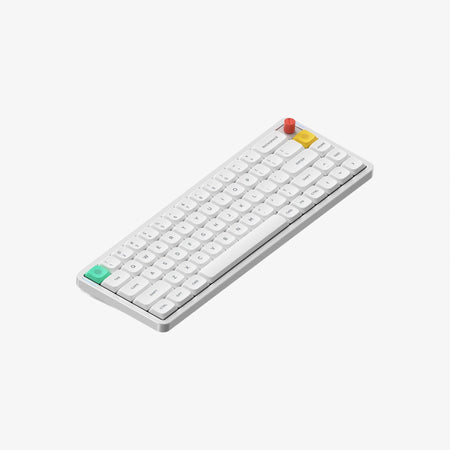
Custom low profile keyboards let you build a slim board to your exact preferences. Hot-swappable low profile PCBs accept various slim switches from Gateron, Kailh, and Cherry. Many support QMK and VIA firmware for full programmability, and dedicated low profile keycap sets are now widely available.
The slim design of low profile keyboards makes them ideal travel companions. Wireless models with Bluetooth and compact layouts like 60% or 65% slip easily into laptop bags. The reduced height also means you can type comfortably without a wrist rest, even in cramped spaces like airplane tray tables.
Low profile keyboards use shorter switches with reduced travel distance, typically 2.5-3mm versus 3.5-4mm on standard boards. This means faster actuation and a flatter typing angle that can reduce wrist fatigue. The trade-off is less keycap variety and a different typing feel, though many typists prefer the laptop-like experience.